
"Dove Non Si Muore Mai"
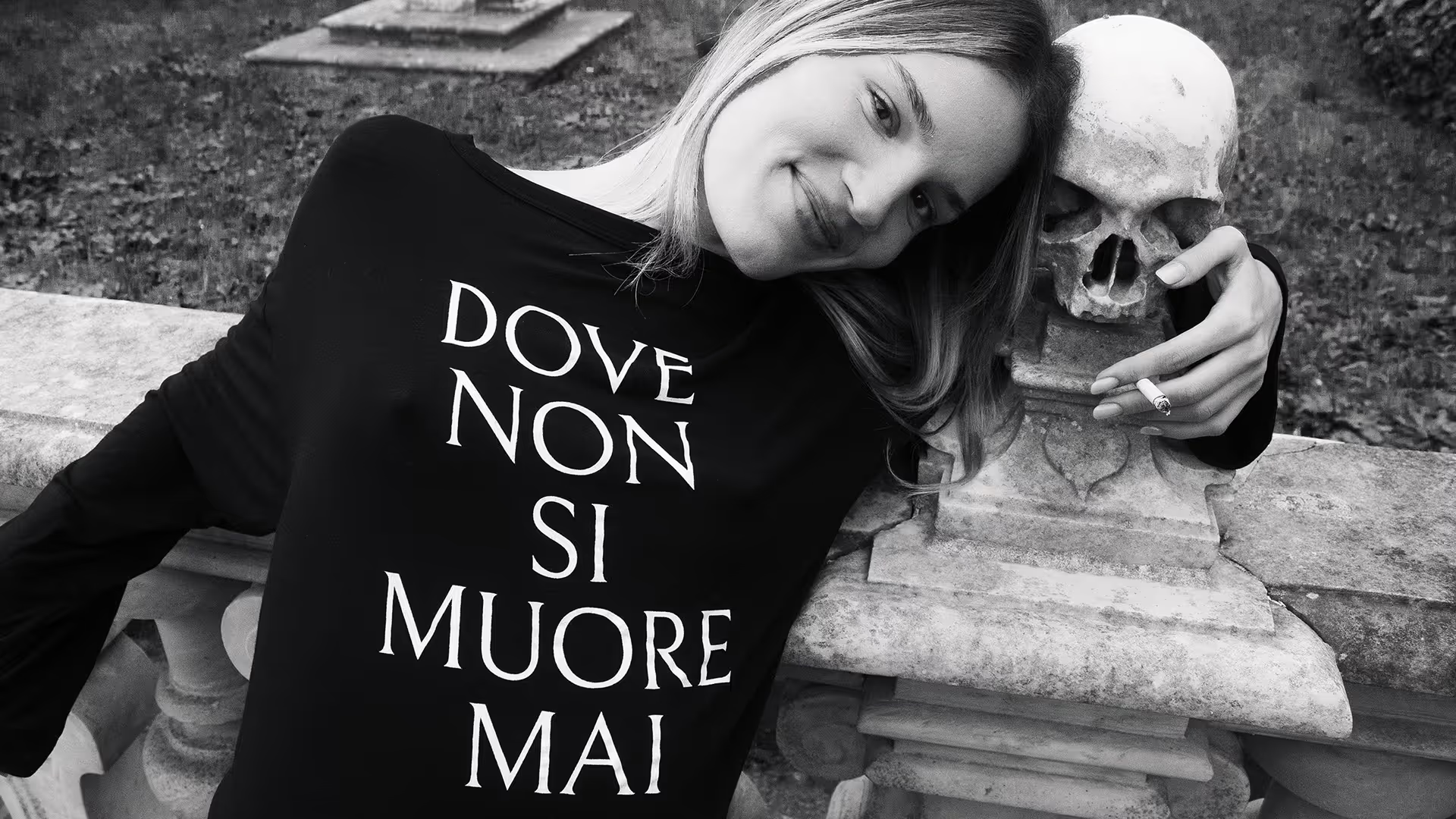
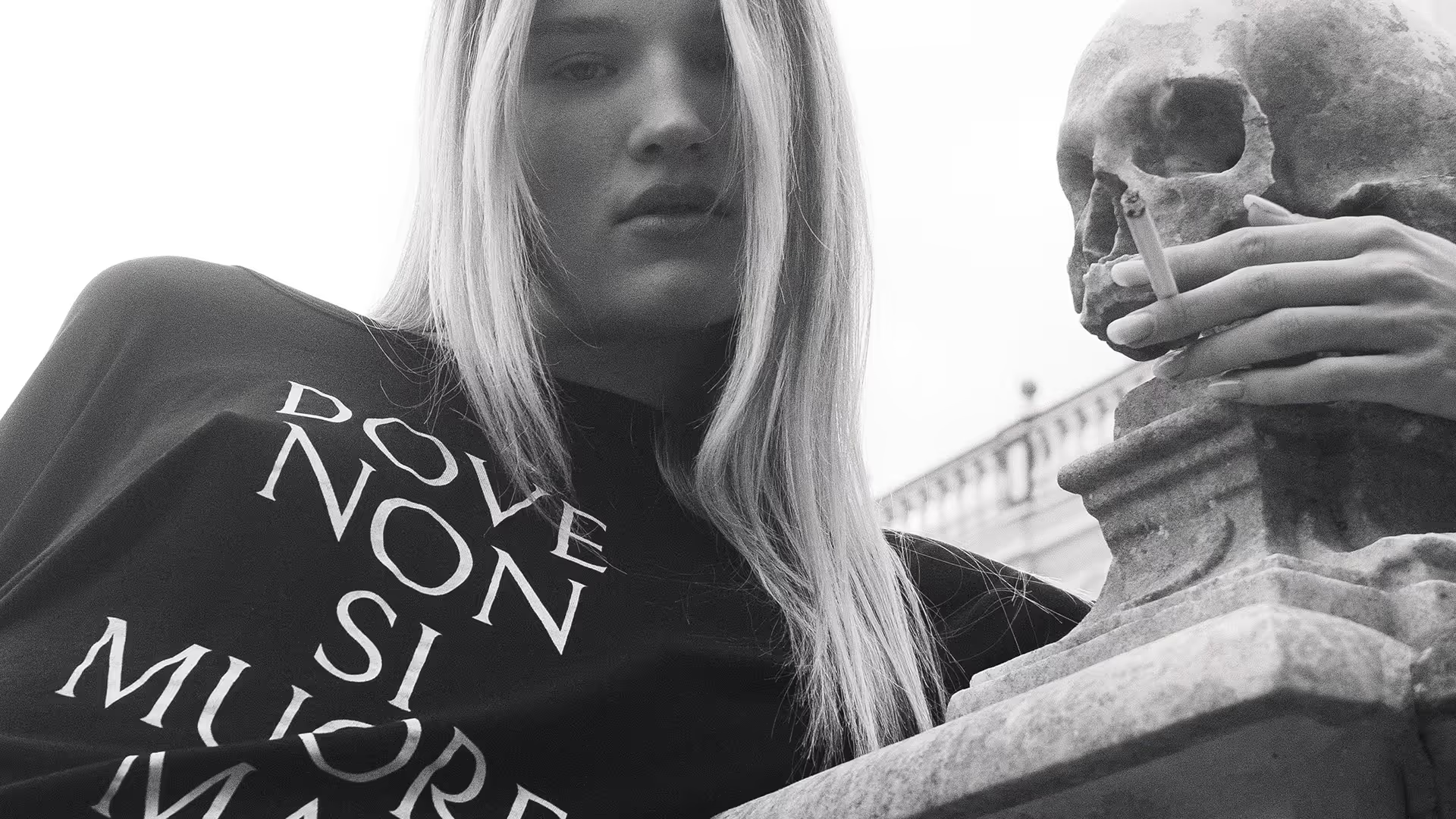
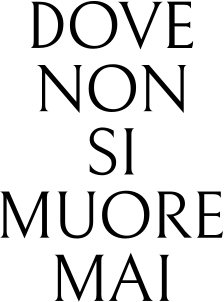
The volume explores intimate, contemporary, and personal perceptions of death, establishing a dialogue between the ancient Greek understanding of mortality and today's Neapolitan sensibility.
The project stems from the collaboration with the Hypogeum of the Crystallini (Ipogeo dei Cristallini), a Greek funerary complex dating back to the 4th century B.C., located in the Rione Sanità district of Naples. This site, a scarce example of Greek funerary art with preserved details and colours, embodies a philosophy that celebrates death as continuity rather than an end, serving as the conceptual backbone of the publication.
The book combines photography, interviews, and artistic contributions, weaving a layered narrative: The volume opens with a preface curated by Cesare Cunaccia, a leading figure in the Italian cultural landscape. British photographer Brett Lloyd documents the Hypogeum of the Crystallini and the collection of vases found within it, focusing on its mystery and light.
The heart of this contemporary narrative isenriched by interviews that delve into the connection between life and death in Naples, curated by Francesca Emilia Minà, who continued the collective's thematic research. The Neapolitan director Antonio Capuano reflects on his relationship with death and the legacy he will leave through his films. Don Antonio Loffredo, parish priest of Santa Maria della Sanità, offers a perspective on how Naples continues to live with its dead. Photographer Francesca Vitucci Sorrenti reflects on grief and the visual legacy of her son; photographs by Davide Sorrenti accompany the interview.
The volume includes an archival tribute with an excerpt from a 2002 interview between journalist Gianni Minà and footballer Diego Armando Maradona. The section "Youth of Sanità" features drawings created by the children of the Rione Sanità, inspired by their visit to the Hypogeum. The volume concludes with the painter Paolo La Motta, a renowned Neapolitan artist, whose work is "Foglio Bianco."(White Sheet) serves as a powerful visual seal for the entire reflection on life and memory contained in the book.